Arrested for Federal Fraud: What Happens in the First 72 Hours
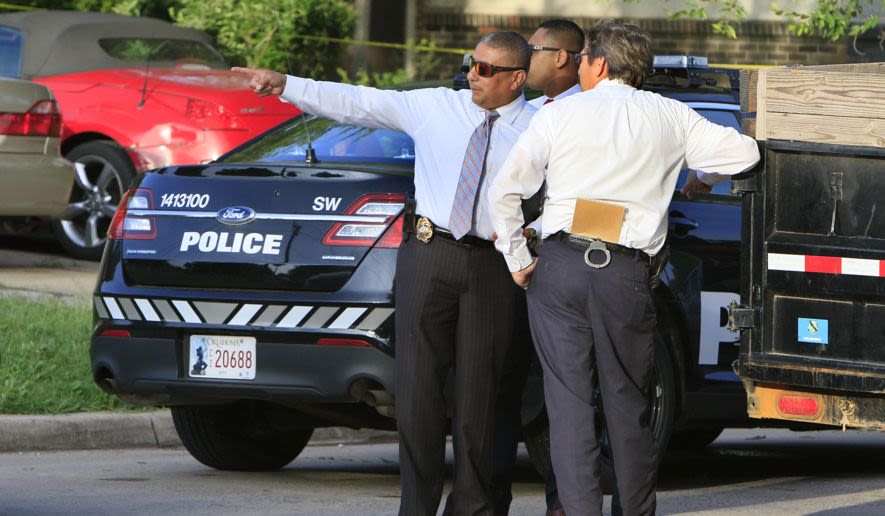

Image credit: By Oklahoma City Police Department - Oklahoma City Police Department, CC0, https://commons.wikimedia.org/wiki/Special:Redirect/page/46070673
The short answer: After a federal fraud arrest, you'll be processed by agents and the U.S. Marshals, interviewed by Pretrial Services, and brought before a magistrate judge, usually the same day or the next business day. At that first appearance, the judge explains the charges, addresses counsel, and decides whether you will be released and on what conditions. Don't discuss the case with anyone but your lawyer. There are risks arising from discussing your case with anyone else, including agents, cellmates, and family on recorded jail phones.
Federal fraud arrests often happen early in the morning at home. They may follow a sealed criminal complaint or indictment. Agents may also execute a search warrant at the same time.
You will be told you are under arrest, and you may be shown the warrant
Agents may try to interview you, often in the car or at the field office. Say you want a lawyer and won't answer questions. Then stop talking.
Don't consent to searches of phones, cars or other property
Many white collar defendants who already have a lawyer can avoid a dawn arrest altogether by arranging to self-surrender. That is one reason to hire counsel as soon as you learn of an investigation.
You'll be taken to a federal building for fingerprinting, photographs and DNA collection, then into the custody of the U.S. Marshals Service. Personal property is inventoried.
Before court, a Pretrial Services officer will usually interview you about your background, residence, employment, finances, health and travel. The report goes to the judge and affects release. Your lawyer should be involved. Answer background questions truthfully, but don't discuss the facts of the case. Statements about finances and assets also matter, because inaccuracies can hurt you later.
Federal Rule of Criminal Procedure 5 requires that you be brought before a Magistrate Judge "without unnecessary delay," usually the same day or the next business day. At the initial appearance, the judge:
Tells you the charges and your rights
Appoints counsel if you can't afford one, or confirms your retained lawyer
Addresses release or detention
If you were arrested in a district other than the one where the charges were filed, there is an extra step, often called a Rule 5 or removal hearing. You may be released and ordered to appear in the charging district, or transported there.
In most fraud cases, defendants are released on conditions: a bond, travel limits, surrender of passports, and Pretrial Services supervision. If the government seeks detention, a hearing can be held right away, or postponed for a few days at either side's request.
Get a federal criminal defense lawyer immediately, ideally before the initial appearance
Identify sureties and assets your lawyer can propose for a bond, such as family members, home equity and cash
Gather documents like your passport, proof of residence and employment
Don't talk about the case with anyone but your lawyer. Jail calls, emails and texts are recorded and reviewed.
Don't contact co-defendants or witnesses. Release conditions usually forbid it.
Will I spend the night in jail? It depends on the time of arrest and the court's schedule. Many white collar defendants are released the same day after the initial appearance.
Do I have to enter a plea at the first appearance? Usually not. In federal court, the plea is entered at a later arraignment.
Can I self-surrender instead of being arrested? Often, if you have a lawyer who arranges it with the prosecutor before charges are filed or unsealed.
What if I can't afford a lawyer? The court will appoint a federal defender or CJA panel attorney.
If you need a lawyer to defend you in a federal criminal investigation, Newman Litigation is prepared to help protect your rights, reputation, and future. From the firm's office in Brooklyn, New York, Newman Litigation serves clients throughout the United States. Contact Will Newman today at (718) 218-3360 to set up a free consultation.
Related posts: Contact us
Attorney Advertising. This post is general information, not legal advice, and reading it does not create an attorney-client relationship. Prior results do not guarantee a similar outcome.