My Employee Got a Grand Jury Subpoena. What Can the Company Do?
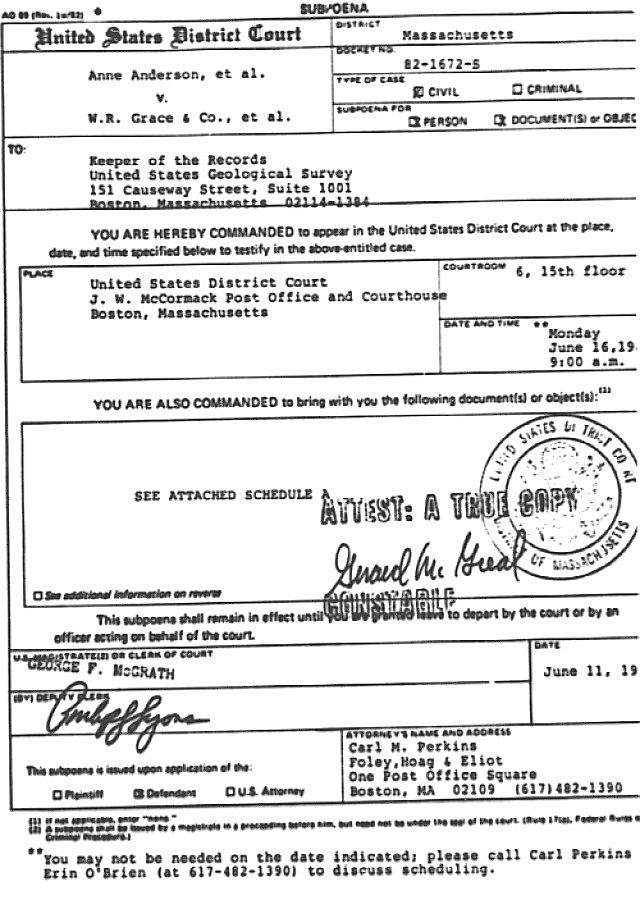

The short answer: When an employee receives a grand jury subpoena, the company is almost certainly connected to the investigation. The company can offer the employee a lawyer, explain their rights accurately, and ask them to keep the company informed. It must never discourage cooperation, tell the employee what to say, or retaliate. Those steps can be charged as obstruction. The company also needs its own counsel immediately.
Prosecutors subpoena employees to learn how a business operates: who approved what, who knew what, and what the documents mean. An employee's testimony can shape whether the company, its executives or the employee becomes a target. How the company responds will be watched closely.
Retain counsel for the company to assess its own exposure and communicate with the prosecutor
Offer the employee independent counsel, often paid by the company under its bylaws, indemnification policies or directors and officers ("D&O") insurance. Separate counsel avoids conflicts.
Tell the employee their rights accurately: they must comply with the subpoena; they may have a lawyer; they may assert the Fifth Amendment if a truthful answer could incriminate them; they may, but don't have to, tell the company about their testimony
Issue or update a litigation hold to preserve documents and data
Consider an internal investigation to learn the facts before the government does
Discourage the employee from testifying or cooperating, or suggest what to say
Retaliate through discipline, demotion or termination because of the subpoena or testimony
Destroy, alter or "clean up" documents
Coordinate stories among employees
Any of these can be charged as obstruction of justice or witness tampering under 18 U.S.C. §§ 1512 and 1513. They also tend to make prosecutors view the company as a wrongdoer rather than a witness.
Company counsel represents the company, not the employee. When company lawyers interview employees, they should give an "Upjohn warning": the lawyer represents the company, the conversation is privileged, but the privilege belongs to the company, which may choose to share what the employee says with the government. Employees with any personal exposure should have their own lawyer.
Companies and employees sometimes enter joint defense agreements, which allow lawyers to share information while preserving privilege. These have real benefits and real risks, particularly if someone later decides to cooperate.
Can we require our employee to tell us what they testified about? No. You can ask, but a witness is generally free to discuss, or not discuss, their own testimony.
Do we have to pay for the employee's lawyer? It depends on state law, your bylaws, any indemnification agreements and insurance. Many companies advance fees, sometimes subject to repayment.
Can we fire an employee who is under investigation? Employment decisions must not be retaliation for testifying or cooperating. Get legal advice before taking any action.
Should the company contact the prosecutor? Usually yes, through counsel, to learn whether the company is a witness, subject or target and to manage document requests.
If you need defense counsel in white-collar criminal matter, Newman Litigation is prepared to help protect your rights, reputation, and future.
From its office in Brooklyn, New York, Newman Litigation serves clients throughout the United States in matters in courts in many different jurisdictions. Contact the firm today to set up a free consultation.
If you need a lawyer to defend you in a federal criminal investigation, Newman Litigation is prepared to help protect your rights, reputation, and future. From the firm's office in Brooklyn, New York, Newman Litigation serves clients throughout the United States. Contact Will Newman today at (718) 218-3360 to set up a free consultation.
Related posts: Grand jury subpoenas · Contact us
Attorney Advertising. This post is general information, not legal advice, and reading it does not create an attorney-client relationship. Prior results do not guarantee a similar outcome.