Grand Jury Subpoena vs. SEC Subpoena vs. HHS-OIG Subpoena: What's the Difference?
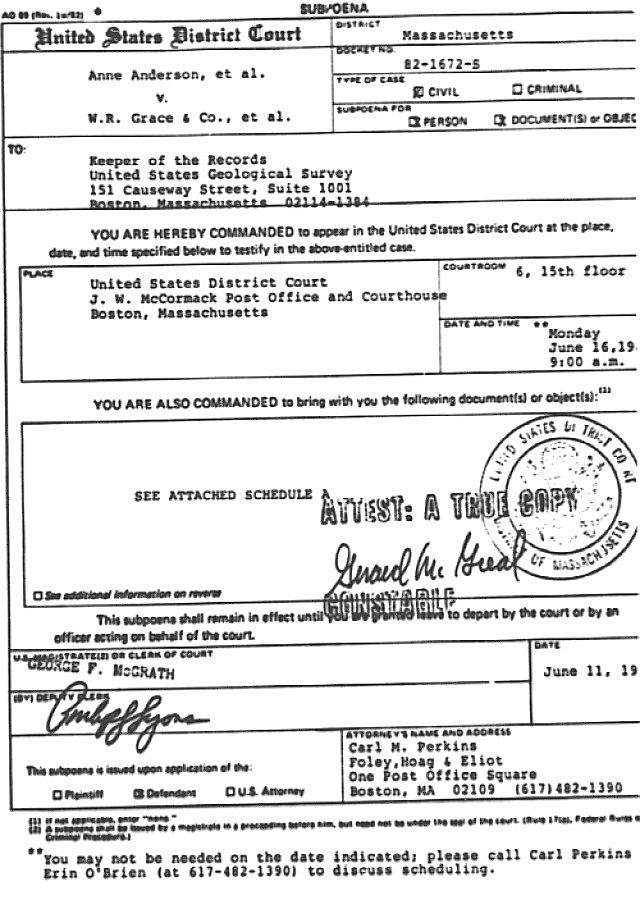

The short answer: A grand jury subpoena comes from a federal criminal investigation run by prosecutors. An SEC subpoena comes from a civil securities investigation, though the SEC often shares information with prosecutors. An HHS-OIG subpoena is an administrative subpoena in a healthcare fraud matter that can be civil, criminal or both. Each has different rules on secrecy, testimony and enforcement. All of them call for a lawyer before you respond.
Grand jury subpoena | SEC subpoena | HHS-OIG subpoena | |
|---|---|---|---|
Who issues it | A federal prosecutor, in the grand jury's name | SEC Division of Enforcement staff, under a formal order of investigation | HHS Office of Inspector General |
Type of investigation | Criminal | Civil and administrative, with frequent parallel criminal cases | Civil, administrative or criminal healthcare fraud |
Typical demands | Documents, testimony or both | Documents and sworn testimony | Mainly documents, sometimes testimony |
Your lawyer in the room during testimony? | No | Yes | Usually yes |
Secrecy | Grand jury secrecy binds prosecutors and jurors, not witnesses | SEC investigations are non-public | Non-public |
How it's enforced | Court order and contempt | Agency asks a federal court to compel compliance | Agency asks a federal court to compel compliance |
What can follow | Indictment | Wells notice and civil enforcement action, possible criminal referral | Civil monetary penalties, exclusion, False Claims Act case, criminal referral |
A grand jury subpoena means federal prosecutors are investigating possible crimes. Witnesses testify alone, without counsel in the room, though they can step out to consult. The key early question is your status: witness, subject or target. Read our full guide to grand jury subpoenas.
The SEC's Division of Enforcement can issue subpoenas once the Commission authorizes a formal investigation. Testimony is taken under oath before SEC staff, with your lawyer present, and is transcribed. The SEC can't bring criminal charges, but it routinely shares information with the Justice Department, and parallel criminal investigations are common in insider trading and securities fraud matters. Anything you say to the SEC can be used by prosecutors.
Near the end of an investigation, the staff may send a Wells notice, saying it intends to recommend an enforcement action. The recipient can make a written submission arguing against charges.
The HHS Office of Inspector General investigates fraud in Medicare, Medicaid and other federal health programs. Its subpoenas often seek patient files, billing data and financial records. The same facts can lead to administrative penalties, exclusion from federal health programs, a False Claims Act case, or a criminal referral to the Justice Department. Providers may also receive related demands from the Justice Department, a state Medicaid Fraud Control Unit, or a Medicare contractor.
Note the deadline, and have a lawyer seek an extension if needed
Preserve all potentially relevant documents and data
Don't contact the agency yourself
Have a lawyer determine whether there is criminal exposure before you produce documents or give testimony
Coordinate strategy if more than one agency is involved
Can I take the Fifth in SEC testimony? Yes, but in a civil case the SEC may ask the factfinder to draw an adverse inference from your silence. Weigh that against the criminal risk with your lawyer.
Does an HHS-OIG subpoena mean I'll be prosecuted? Not necessarily. Many HHS-OIG matters are resolved civilly or administratively. But you should treat it as potentially criminal until you know more.
Can I get two subpoenas about the same conduct? Yes. Parallel investigations by prosecutors and civil agencies are common, and your strategy should account for both.
If you need a lawyer to defend you in a federal criminal investigation, Newman Litigation is prepared to help protect your rights, reputation, and future. From the firm's office in Brooklyn, New York, Newman Litigation serves clients throughout the United States. Contact Will Newman today at (718) 218-3360 to set up a free consultation.
Related posts: Grand jury subpoenas · SEC investigations · Contact us
Attorney Advertising. This post is general information, not legal advice, and reading it does not create an attorney-client relationship. Prior results do not guarantee a similar outcome.